International Alloimmune Conference 2026: Advancing Global Collaboration on Rh Disease and HDFN
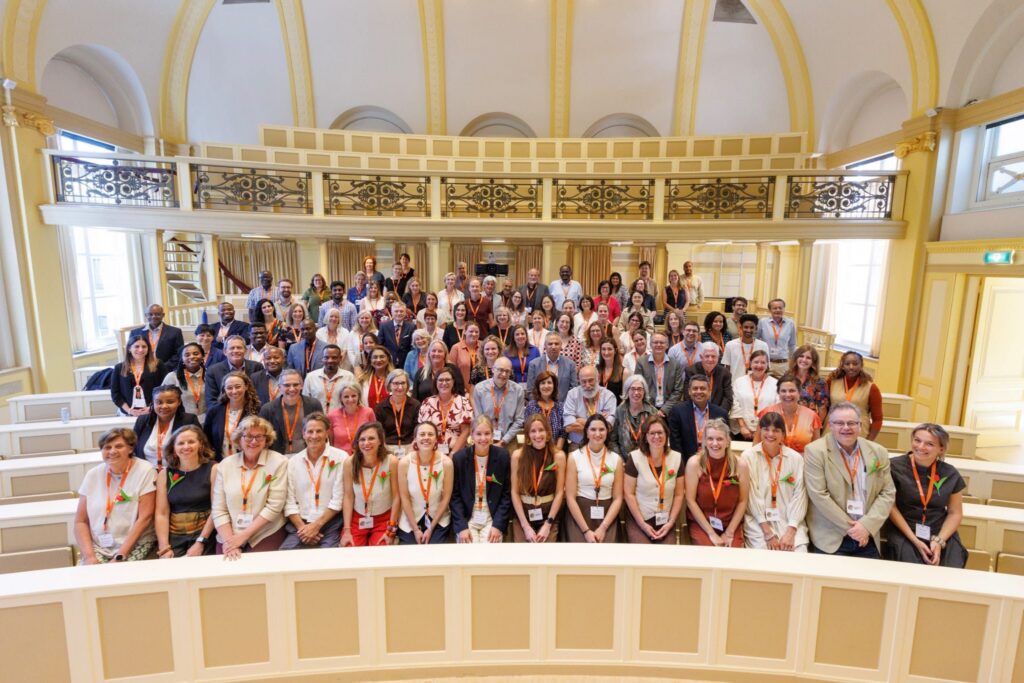
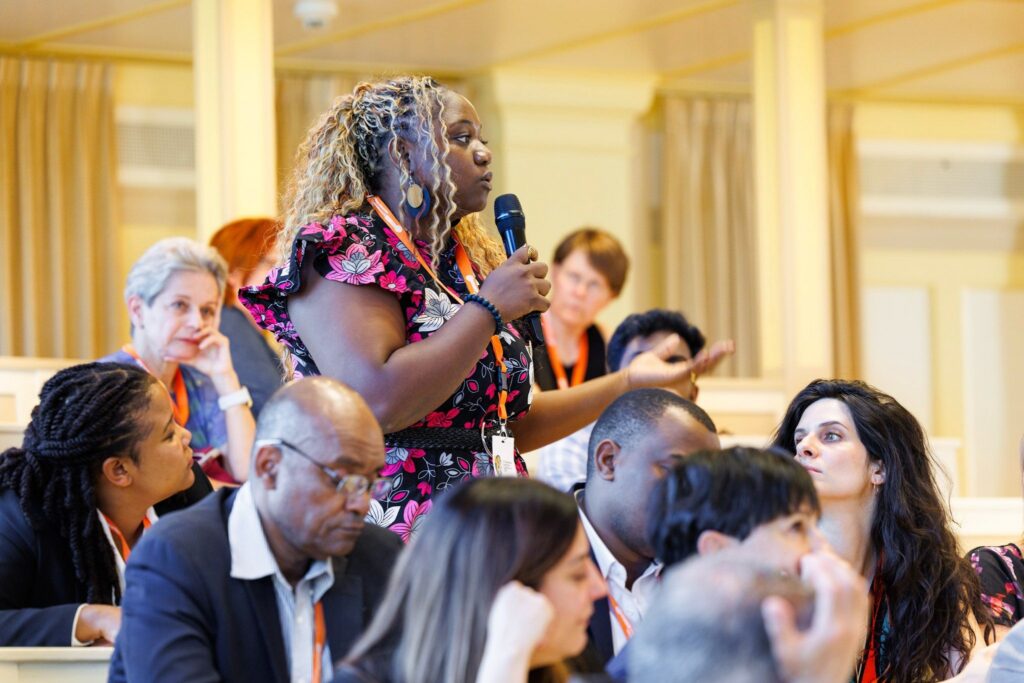
The International Alloimmune Conference 2026 brought together more than 100 participants from 30 countries, including patients, clinicians, researchers, transfusion specialists, public health experts, policymakers, and industry representatives, to address some of the most pressing challenges in alloimmunization and Hemolytic Disease of the Fetus and Newborn (HDFN).
Day 1: Addressing the Global Anti-D Shortage
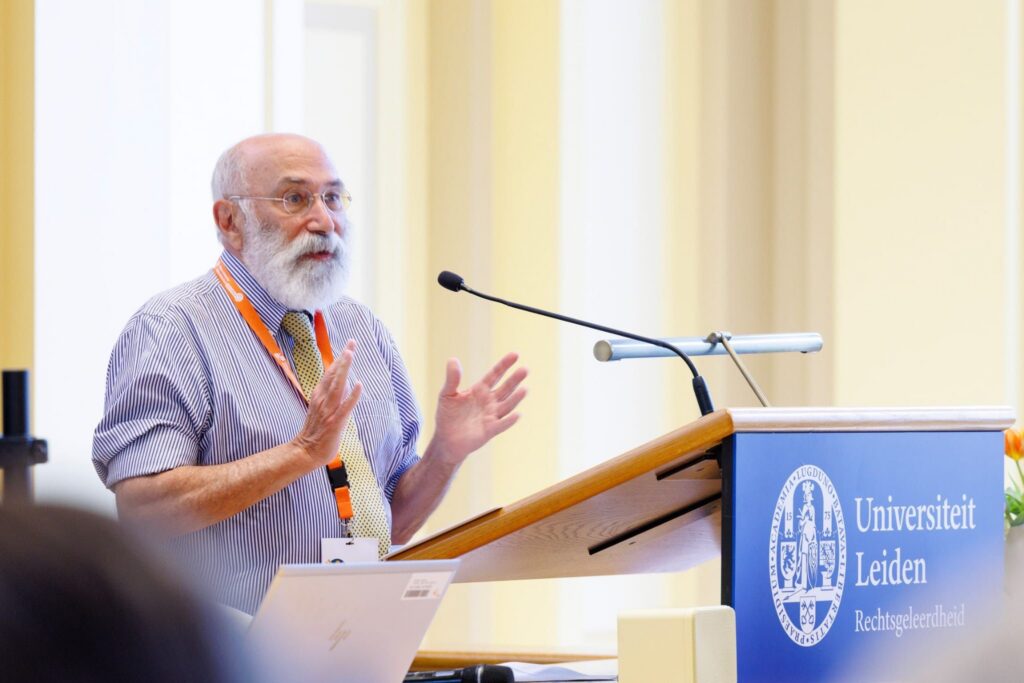
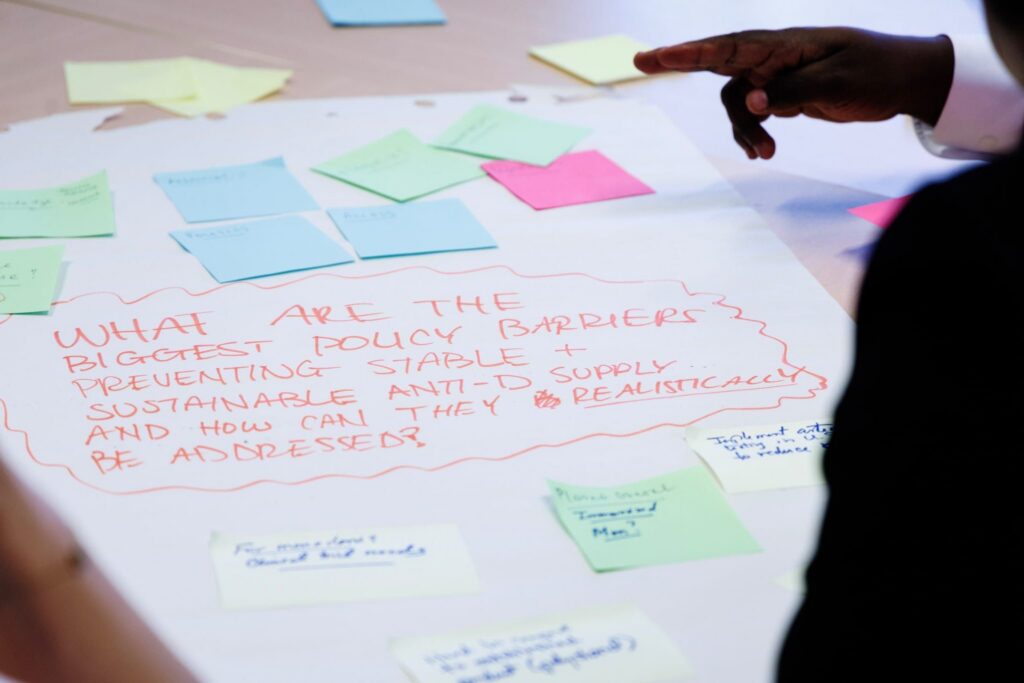
The first day focused on the increasingly fragile global supply of anti-D immunoglobulin and the growing inequities in access to Rh disease prevention. Participants examined regional challenges across Africa, Asia, Latin America, Europe, and Australia, while exploring strategies to strengthen donor recruitment, plasma collection, manufacturing capacity, and policy support.
A major theme of the conference was the need to move beyond dependence on the current donor-derived anti-D supply. Experts reviewed the latest developments in monoclonal anti-D technologies and discussed the scientific, regulatory, and ethical considerations required for future implementation.
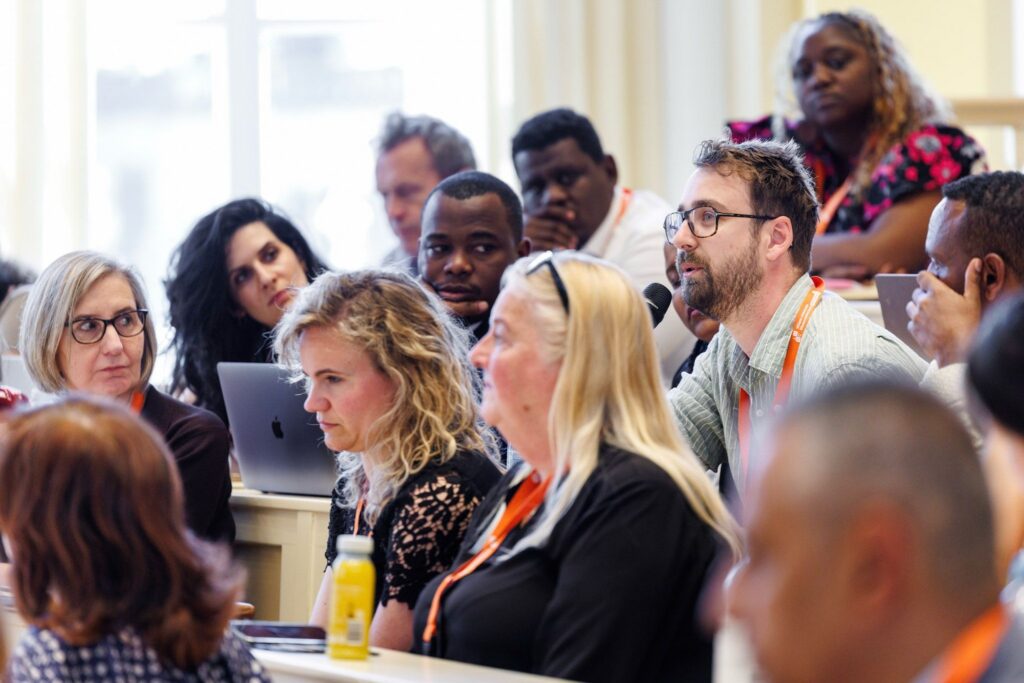
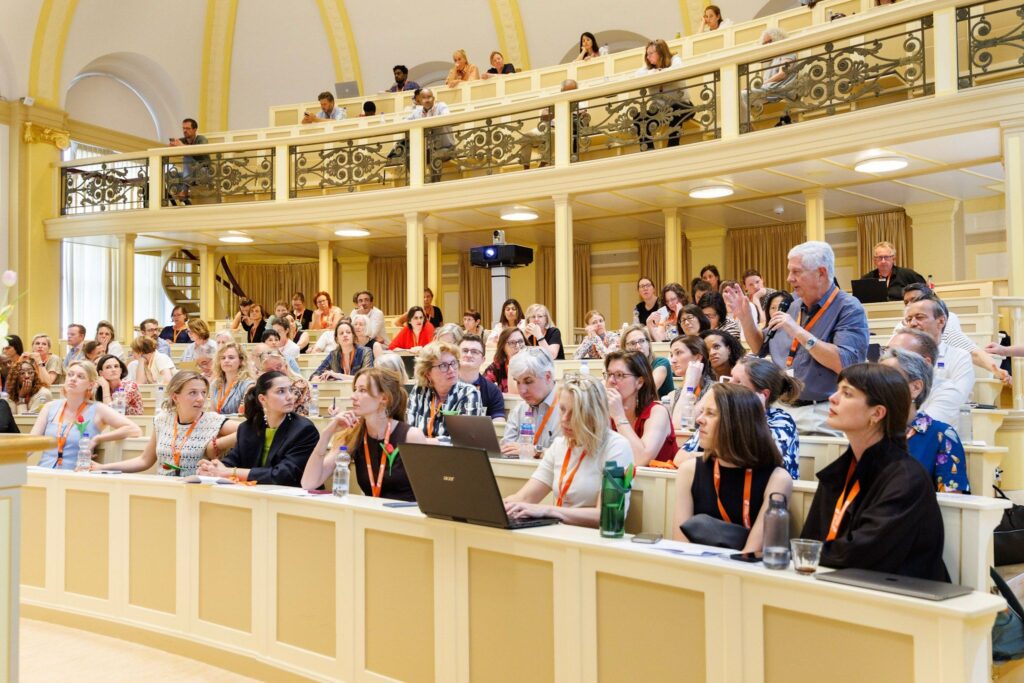
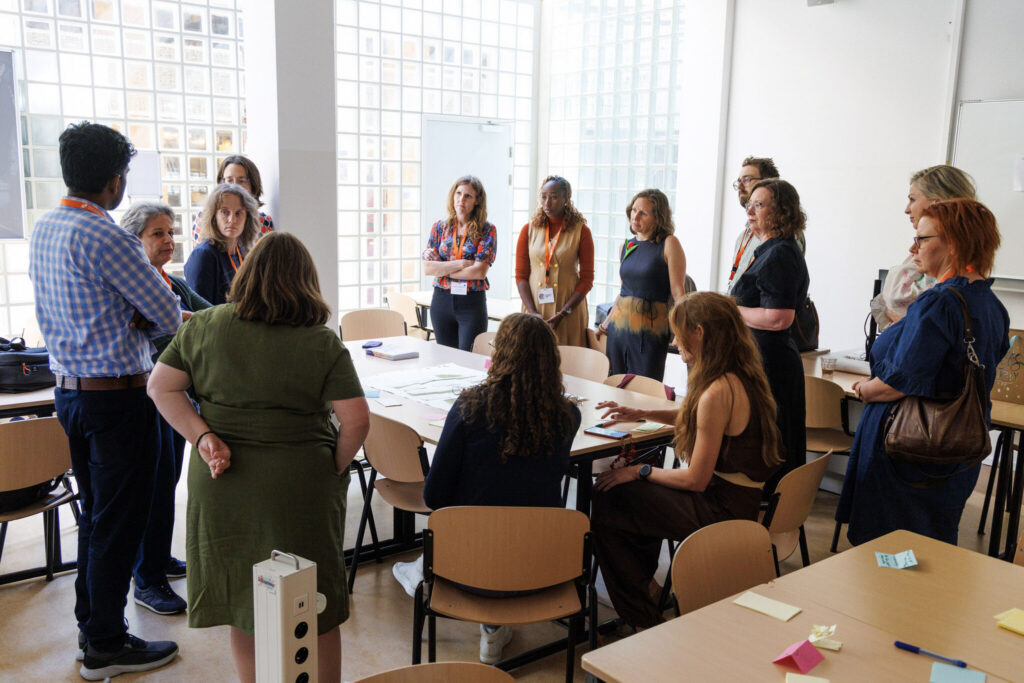
Through a series of collaborative workshops, delegates developed practical recommendations on donor recruitment, policy and advocacy, patient involvement, ethical research design, and equitable anti-D distribution.
As a direct outcome of these discussions, participants agreed to launch two international research consortia:
- A consortium focused on securing and stabilizing the global polyclonal anti-D supply.
- A consortium focused on advancing the development and evaluation of monoclonal anti-D.
Day 2: Harmonizing Care for HDFN Worldwide
The second day focused on global variations in the screening, diagnosis, and management of HDFN. Using data from the Dionysus study and a pre-conference international survey, participants identified major differences in clinical practice and research priorities across countries.
Discussions covered four key areas:
- Antibody screening strategies and fetal genotyping.
- Diagnostic and referral practices.
- Antenatal management, including IVIG, plasmapheresis, and intrauterine transfusion approaches.
- Postnatal management and treatment strategies for affected newborns.
These discussions resulted in a shared international research agenda aimed at improving data comparability, strengthening evidence-based practice, and advancing equity in care for families affected by alloimmunization and HDFN.
Looking Forward
The conference highlighted both the challenges and opportunities facing the global alloimmunization community. By bringing together diverse stakeholders and fostering international collaboration, the meeting generated concrete next steps to strengthen anti-D availability, improve patient care, and accelerate research efforts worldwide.
WIRhE extends its sincere thanks to all speakers, moderators, partners, patients, and delegates whose expertise and commitment made this conference a success.